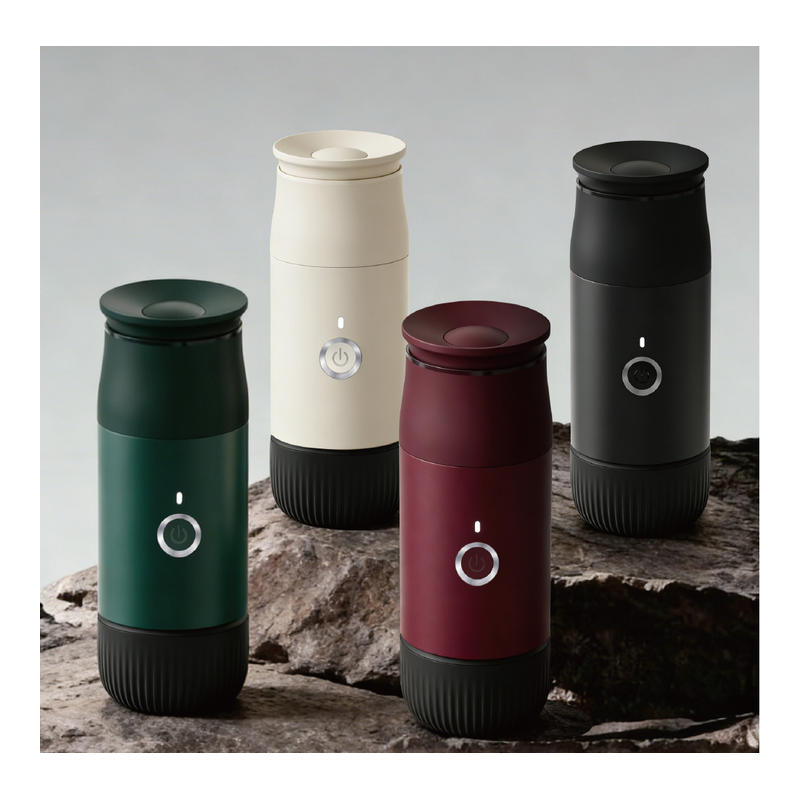
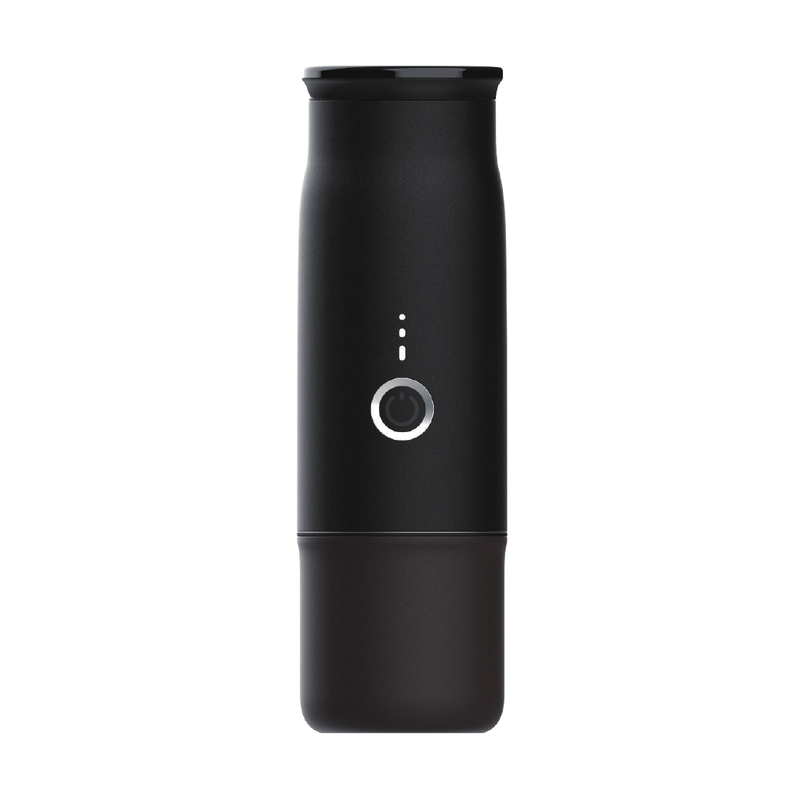
Start with the retail use case
Portable espresso machines can look similar in a product grid while solving different jobs. Some require preheated water. Others heat water internally. Some accept ground coffee and a particular capsule format, while professional-basket versions may accept ground coffee only. Treat those as separate configurations, not minor feature variations.
Write the intended use before comparing models: travel, gifting, outdoor use, office backup or specialist coffee preparation. Add the target retail price band, destination market and expected customer skill level. That brief makes it easier to reject features that add cost or complexity without helping the shopper.
Compare the exact configuration
Ask for a configuration sheet tied to the model and version. Record water capacity, coffee dose, basket or capsule compatibility, heating method, input power, battery specification, charging interface, product dimensions and included accessories. Do not transfer a specification from a related model because the housing looks the same.
For battery-powered equipment, runtime claims need a defined test condition. Water starting temperature, target temperature, dose and battery state can all affect the result. A repeatable demonstration is more useful than a single headline number.
Separate confirmed facts from open questions
Research across portable models often reveals differences between catalogues, quotation sheets and product pages. The useful response is not to select the most attractive value. Put each conflict into an open-question list and request one final selling specification.
The same discipline applies to pressure and extraction language. A maximum pump rating does not by itself describe cup quality or consistency. Ask for a short operating video using the intended coffee format and record the test conditions.
Review packaging and transport readiness
Retail packaging is part of the product. Confirm the unit pack, protective insert, carry case if included, master-carton dimensions, units per carton and gross weight. These values affect shelf presentation, parcel handling and freight. If two source documents disagree, freight planning should wait for a packed sample or final carton record.
Battery transport documentation is another gate. Ask which documents apply to the exact cell and finished product, whether they are current, and whether the proposed carrier accepts the shipment. Product compliance and food-contact requirements also depend on the destination and configuration; document names alone are not proof of suitability.
Check the commercial handoff
A useful quotation request includes the exact model, configuration, quantity, packaging option, destination, required documents and target date. Ask the supplier to identify what is included, what remains subject to confirmation and what changes at different quantities.
Private label should be checked model by model. A product family may include versions that permit logo or packaging changes and versions that do not. Confirm eligibility, MOQ, artwork process, sample approval and lead time before designing the launch around customization.
Buyer checklist
- Define the retail use case and customer skill level.
- Confirm heating method and whether hot water is required.
- Record ground-coffee dose and exact capsule or basket compatibility.
- Verify battery, charging input and repeatable operating evidence.
- Reconcile product, unit-pack and master-carton dimensions.
- Confirm included accessories and packaging version.
- Request current product, battery and food-contact documents as applicable.
- Confirm MOQ, lead time, private-label eligibility and sample process.
- Use one final approved specification for content and ordering.
A disciplined comparison makes the final product page simpler: it can state what is known, identify what changes by configuration and leave unsupported performance claims out.